Defining the problem
Forensic sciences play a critical role in the criminal justice system. However, false testimony, exaggerated statistics, and laboratory fraud have all led to wrongful convictions.
Jurors often give forensic evidence significant weight, as the evidence is presented by experts within their fields. In 2009, the National Academy of Forensic Science released a groundbreaking report, “Strengthening Forensic Science in the United States: A Path Forward,” which concluded that DNA analysis is the only forensic technique to “ha[ve] been rigorously shown to have the capacity to consistently, and with a high degree of certainty, demonstrate a connection between evidence and a specific individual or source.” The report also provided policy recommendations for utilizing forensic techniques in criminal investigations and was critical of several commonly used forensic techniques.
Examples of problematic forensic disciplines
Other problematic forensic disciplines include forensic odontology (bitemark analysis), arson science, 911 call analysis, shoe print analysis, among others.
How does forensic science go wrong?
Identification, collection, testing, storage, handling, and reporting of evidence can be deliberately or accidentally mishandled at any stage:
At the Crime Scene:
- Evidence can be planted, destroyed, or mishandled
- Proper collection protocols may not be followed
In the Laboratory:
- Evidence can be contaminated
- Testing may be inadequate or improperly conducted
- Samples might be consumed entirely
- Lack of independence of laboratories from law enforcement entities, calling into question the reliability of findings and potential presence of bias.
In Reports and Witness Testimony:
- Results may be misrepresented
- Experts may overstate the certainty of their findings
- Statistical probabilities can be mischaracterized
How to address and remedy faulty forensic science in the criminal justice system
Several reforms could reduce wrongful convictions related to forensic evidence:
- Evidence preservation standards: States should require proper preservation and handling of evidence to allow for future testing.
- Independent oversight: When misconduct is discovered, independent audits should review the analyst’s or laboratory’s other cases for similar errors.
- Improved scientific standards: Development and enforcement of clear standards within each forensic science discipline.
- Stronger governance structures: Better oversight to enforce standards and minimize errors.
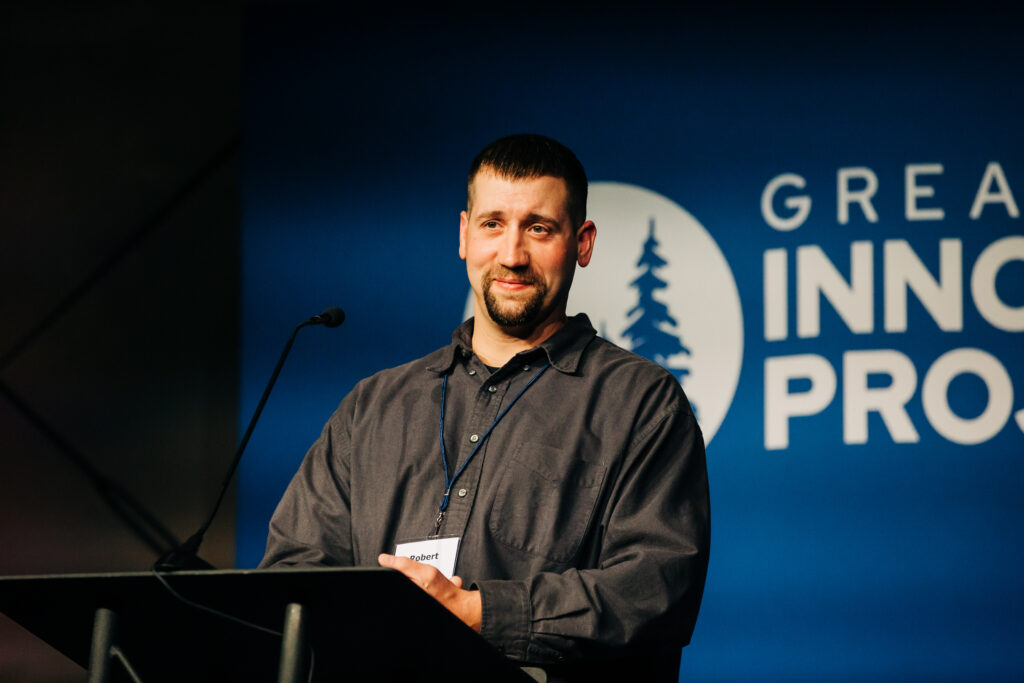
Case Example: Robert Kaiser
In 2014, Robert Kaiser was wrongfully convicted of murder in the death of his infant son, William. The State’s case relied on the medically-fraught diagnosis of Shaken Baby Syndrome. Following post-conviction proceedings in 2021, a judge found that Robert’s conviction was tainted by false evidence (related to the SBS theory) as well as ineffective assistance of counsel, and vacated his conviction. He was retried in 2025, and ultimately acquitted of all charges, after numerous medical and scientific experts testified on his behalf.